

Building Digital Trust: Why Data Security is Critical for Nonprofits Accepting Tap-to-Donate Payments
 Sticky Password
- July 11, 2025 , Sticky Password
- Password & security
Tap-to-donate is revolutionizing how nonprofits collect donations, allowing donors to make contributions with a simple tap. In 2024, contactless payments saw a surge of 40%, making this method a game changer for fundraising. However, this convenience also comes with the risk of data security, especially for nonprofits handling sensitive donor information. Hence, robust data security measures are no longer an option but critical.
This blog talks about tap-to-donate in detail, its benefits, risks and how nonprofits can protect donor data while adopting modern payment methods.
Tap-to-donate—a game changer for giving
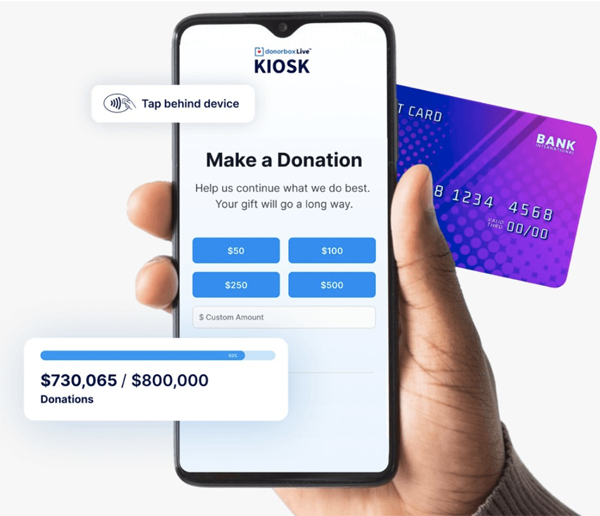
Nonprofits are increasingly adopting tap-to-donate because it makes donations quick and convenient. Donors no longer have to fumble for cash or swipe the card, just a simple tap on smartphone or contactless card does the job. Contactless payments have gained more traction because of hygiene benefits, with donors preferring touch free payments.
Many donors consider tap-to-donate more safe and secure than traditional methods, thanks to tokenization and other security features. Donors believe that their data is protected from any theft, making it less susceptible to fraud. Additionally, it frees staff to focus on networking and building relationships, instead of handling cash or managing payment devices.
For example, a nonprofit we recently worked with reported a 25% increase in donations after implementing tap-to-donate at their fundraising event.
What happens behind a tap-to-donate method?
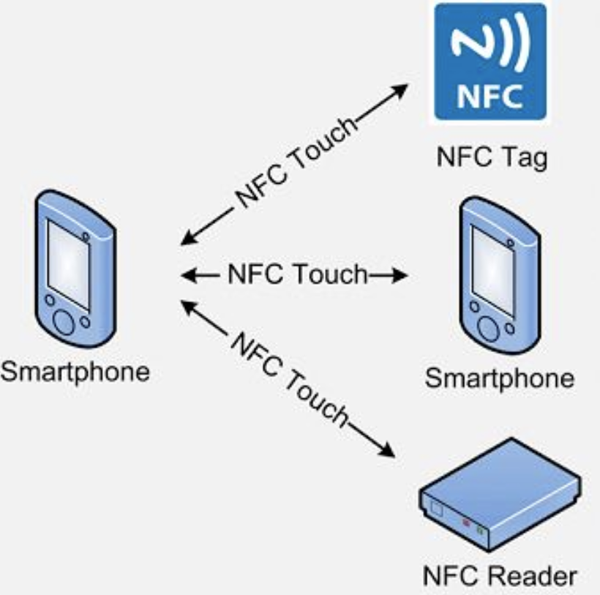
Understanding how tap-to-donate functions is important to learn the risk it poses and why data security measures are essential for nonprofits.
This method relies on Near Field Communication (NFC), a short-range wireless communication technology, that implements encryption and tokenization during transactions to protect users' payment information.
However, the widespread use of this method also makes it vulnerable to data breaches. Several instances have been reported where attackers intercept and “relay” the communication between the devices.
There are two devices involved, primarily one near the payment terminal (or the reader) and the other near the users terminal (or the tag). The payment details are collected by the reader from the victim's device using NFC, the tag then sends this information to the terminal, impersonating the victim's device using the attacker's hardware.
5 reasons why data security is important for nonprofits accepting tap-to-donate payments
Here are five reasons why data security should be a top priority for nonprofits accepting tap-to-donate payments.
1. Safeguard donor trust
Building donor trust requires consistent, transparent actions over time such as clearly stating the impact of the contributions and the purpose for which funds are being used.
However, a data breach can erode this trust, making donors hesitant to contribute again or sharing their personal information with your nonprofit.
2. Prevent financial losses
Cyberattacks on nonprofits are rising, with recent reports noting a 30% year-over-year increase.
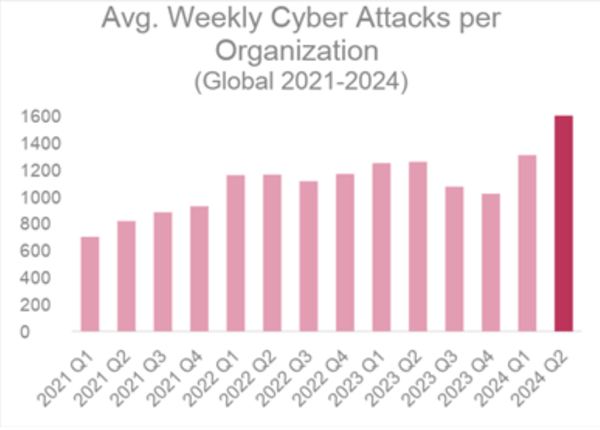
These attacks can compromise donor data for fraudulent activities resulting in financial losses for both donors and your nonprofit, as well as legal issues. Hence, the importance of nonprofit data security can’t be overstated.
3. Protect sensitive data
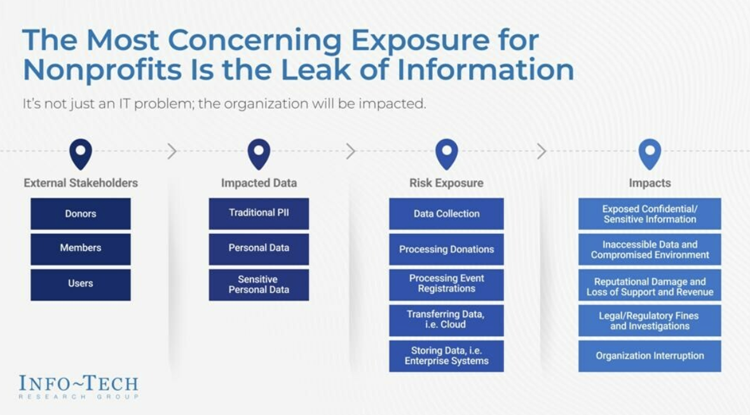
Nonprofits hold sensitive donor data such as financial details, contact information, and even personal information related to beneficiaries. A breach can expose this data, putting donors and beneficiaries at risk.
4. Avoid reputational damage
Nonprofit data security is also important to prevent reputational damage. Any data breach can make it difficult for you to attract new donors and retain the existing ones.
5. Ensuring continued fundraising
A primary goal for nonprofits is to raise funds for their missions. However, lack of donor trust and reputational damage can hinder fundraising efforts and operation efficiency, making it difficult to deliver services and fulfil the mission.
8 tips to secure tap-to-donate payments
Here are some essential steps nonprofits can take to safeguard data during tap-to-donate transactions:
- Use PCI compliant payment processor
- Implement End-to-End encryption (E2EE)
- Tokenization of donor information
- Use security tap devices
- Conduct regular security audits
- Collect limited data
- Train your team or volunteers
- Prepare data breach response plan
Ensure your payment processor or payment gateway complies with PCI DSS (Payment Card Industry Data Security Standard) to prevent security breaches and payment data theft in the present and future.
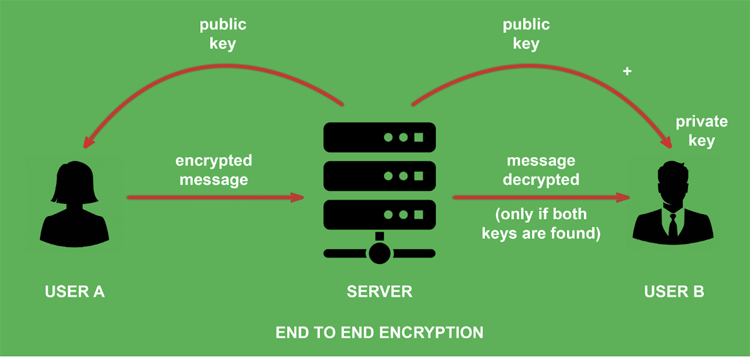
An E2EE payment processor ensures that the card holder data is encrypted at the point of contact (tap) and stays encrypted throughout the process. This way the sensitive information like card number is protected, and if it is intercepted shall remain unreadable without the decryption keys.
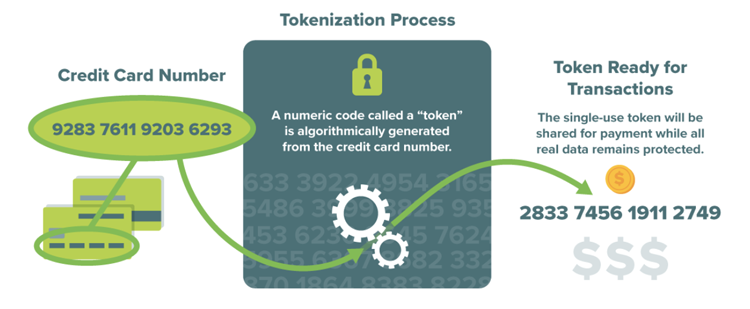
Data tokenization replaces the sensitive information into tokens which have no exploitable value. This mitigates the risk of data breach since the attacker can’t derive the original sensitive data even if it is intercepted.
Choose NFC enabled payment devices from trusted vendors that also provide regular security updates.
Most nonprofits face data breaches because of outdated technology or security lapse.Perform periodic assessments to identify potential vulnerabilities in your payment systems and infrastructure.
Only collect essential data like donation amount, receipts etc, instead of full card details. This reduces the exposure in case of data breach or cyberthreats.
Training your team or volunteers since they will be the one using these devices. Educate them about the functioning of the devices and how to handle data securely. Restrict access to payment devices and avoid sharing login credentials.
Develop a data breach response plan to notify, take essential steps and clearly communicate the message to affected donors in case of data breach. Timely action not only reduces the loss but also prevents reputational damage.
Start implementing data security measures today!
Nonprofits handle numerous financial transactions everyday, with donor trust and mission success at their core.
While tap-to-donate is transforming nonprofit fundraising but with convenience also comes the responsibility to safeguard donor data. By implementing data security measures like encryption, tokenization, your nonprofit can maintain donor trust and focus on its mission.
However implementing these measures isn’t a one time activity. Evaluate them from time to time to protect your nonprofit and donors from any potential loss. Don’t wait for the breach to happen, act today.