

Black Friday Shopping Frenzy: 5 Cybersecurity Tips
 Pete
Pete
- November 25, 2025 , Pete
- Password & security
Scammers are quick to exploit holidays and times of crisis, preying on unsuspecting people when they're most focused on deals or distractions, so staying alert is essential during the seasonal rush.
The excitement of the season is hard to resist — your inbox fills with tempting offers and can’t-miss discounts on products you’ve been eyeing all year. But as the shopping frenzy ramps up, so do the risks. Cybercriminals use this moment to push fake deals, launch phishing attacks, and set up convincing scam websites. To keep your online shopping experience safe, here are essential Black Friday 2025 cybersecurity tips and simple habits that help you avoid the most common holiday cyber threats.
Top Cyber Threats to Watch Out for on Black Friday
As you dive into online shopping, remember that staying vigilant is a key part of cybersecurity awareness — something we emphasize regularly. Knowing how to stay safe online on Black Friday and what to watch for sharpens your cybersecurity spidey-sense, helping you spot potential threats and stay safe while shopping online.
- Phishing emails and fake deals
Cybercriminals love to send out fake emails disguised as incredible holiday discounts — classic holiday-season shopping scams in 2025. These emails look like they’re from your favorite brands, but clicking the links could lead you to harmful sites that steal your personal info. Always think twice before clicking on a deal that seems too good to be true.
- Imposter websites
Fake websites are another trap to avoid. They’re designed to look just like real online retailers, often with small changes that are hard to notice. These sites collect sensitive information like credit card numbers and personal details, without delivering the goods. Recognizing signs of suspicious pages is key to staying safe and steering clear of Black Friday shopping scams. Pay attention to the following red flags:
- Slight changes in the URL, such as extra characters or unusual domain endings
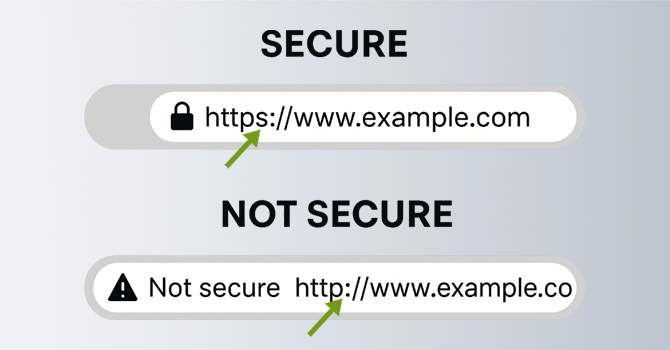
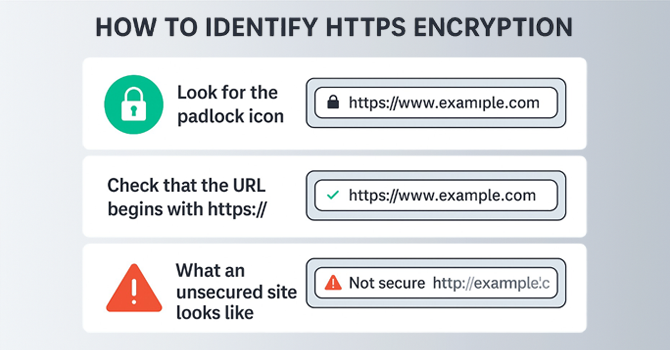
- Missing HTTPS or a security padlock in the address bar
- Poor design quality, outdated logos, or mismatched branding
- Unrealistic discounts or deals that seem too good to be true
- Limited or missing customer support details, return policies, or contact information
- Unsecured payment methods
Not all online retailers are equipped with secure gateways. During peak shopping periods like Black Friday, it’s crucial to make sure you’re using secure online payment practices by shopping only on websites that use HTTPS encryption. Otherwise, you risk your sensitive financial details falling into the wrong hands.
- AI-Driven Phishing Attacks
Scammers now use AI to generate messages that look more polished and personalized than traditional phishing. These attacks can mimic brand tone and layout so well that they’re harder to recognize. Stay alert for unexpected offers or login requests, even if the message looks professional.
According to IBM’s 2025 X-Force Threat Intelligence Index, attacks involving abused or stolen valid accounts made up 30% of all incidents the team investigated — highlighting how frequently cybercriminals rely on compromised credentials.
- QR Code Scams
Fake QR codes circulating during Black Friday can lead to spoofed checkout pages or malicious downloads. Only scan codes from trusted retailers and avoid those shared in random emails, social media posts, or public ads.
Staying alert and knowing how to avoid phishing during Black Friday helps you spot red flags before you make a click that turns a super deal into a super loss.
5 Smart Shopping Tips for a Secure Black Friday Online
With all the frenzy out there, holiday shoppers can feel like they’re swimming with sharks. But don’t worry, these smart shopping hacks will help you navigate the waters safely and stay protected from the most common online threats.
- Double-check deals on the official website: if you find an enticing offer in your email, resist the urge to click the link right away. Instead, visit the retailer’s official website and look for the deal there. This simple habit is one of the most effective cybersecurity tips for holiday shopping, helping you avoid malicious links and understand how to spot fake Black Friday deals and websites designed to trick unsuspecting shoppers.
- Stay secure with a VPN: browsing on public Wi-Fi? Using a VPN encrypts your connection and shields your personal and financial data from prying eyes. This is especially important for public Wi-Fi shopping safety, since cybercriminals often target busy networks in cafés, airports, and hotels during big sale periods.
- Use credit over debit: when online shopping, opt to use a credit card instead of a debit card. Credit cards often offer better protection against fraud, making it easier to dispute suspicious charges if something goes wrong.
- Follow security measures during the holiday season: from verifying secure website connections to being cautious about unusual personal data requests, these simple precautions help reduce risk and keep your online experience smooth during peak periods filled with Black Friday cyber threats.
- Use a password manager: Juggling accounts across multiple stores can be overwhelming. Password managers like Sticky Password help you generate and store strong, individual passwords for every website. They can also securely store your payment information, giving you a safer and more convenient checkout experience.
Shop Smart and Stay Safe This Black Friday
Remember, if a deal looks too good to be true, it probably is. The holiday shopping rush brings amazing discounts, but it also attracts scammers who rely on fake websites, misleading offers, and phishing attempts to catch shoppers off guard.
You can enjoy great savings without putting your personal data at risk. By following these cybersecurity tips for safe online shopping and using trusted security tools, you can browse and buy with confidence. Keep your passwords protected, use secure connections, and stay alert to anything that feels unusual or suspicious.
A password manager adds an important layer of protection by securing your accounts and autofilling strong, individual passwords across all your favorite stores. It is one of the simplest ways to shop safely and avoid common online threats.
Take charge of your online security today. Try Sticky Password and enjoy a safer, more secure shopping experience this holiday season.
Happy shopping!